 XP TRACKER
How to practice an instrument every day
Most people who stop practicing didn't lose interest in the music. The guitar went back in its case, and every session started with ten minutes of setting up. Keep the instrument within reach, start with ten minutes, and build from there.

Why it's harder than it sounds
You picked up the instrument because you wanted to play. Daily practice is a different thing: repeating the same few bars, slowly, while they still sound bad.
Three things usually get in the way:
- Setting up takes too long. Case out, tune, find the music, find a stand. By the time you're ready, the time you had is gone.
- You don't know what to work on. Without a clear task, you noodle through what you already know, and nothing improves.
- Progress is invisible from day to day. A hard passage sounds the same on Tuesday as it did on Monday. Improvement shows up over weeks.
Start smaller than you think
Your starter habit is ten minutes a day. Set a timer, play, and stop when it goes off, even if you're in the middle of something. Stopping on time keeps the next session feeling easy to start.
Hang it on something you do at the same time every day: after you get home from work, after dinner, or while the coffee brews on a weekend. The instrument should be in sight at that moment, on a stand or out of its case, already tuned if you can manage it.
On a day when ten minutes feels like too much, play one scale or one song. Picking it up still counts.
An example starter plan
Add time only when the current length feels easy to start. If a week was hard, repeat it.
- Days 1 to 7: ten minutes, instrument outPut it on a stand where you'll see it at your cue. Set a timer and play anything. Tick it off.
- Days 8 to 14: give the ten minutes a shapeTwo minutes warming up, six on one thing you're learning, two on a song you enjoy.
- Days 15 to 21: fifteen minutesSpend the extra time on the hardest few bars. Play them slowly, then a little faster once they're clean.
- Days 22 to 30: twenty minutes and a recordingAt the end of the month, record yourself playing what you worked on. Keep it to compare with next month.
Practice that moves you forward
- Work on one small piece. A few bars, a chord change, one run. Say it out loud before you start: "today I'm fixing the change from G to C."
- Slow it down. Use a metronome and play at a speed where you make no mistakes, then raise it a few beats at a time.
- Keep a short log. One line per session: what you worked on and the metronome speed. You'll see progress that you can't hear day to day.
- End on something fun. Finish with a song you like. You'll look forward to tomorrow's session instead of dreading it.
Common mistakes
- Only playing what you already know. It feels good and it keeps the habit, but add at least a few minutes of new material.
- Practicing too fast. Playing a passage at full speed with mistakes teaches your hands the mistakes.
- Saving it all for the weekend. Two hours on Saturday is harder to start and builds less habit than twenty minutes most days.

What to do after a missed day
Pick it up tomorrow for ten minutes and carry on. Your fingers will remember more than you expect after a day or two off.
If a week or more has slipped by, go back to the first step of the plan and play something easy for the first few sessions. It takes a few days to feel normal again, not a few weeks. Our guide to getting back on track covers restarts in more detail.
Look at what stopped you. If the instrument went back in its case, take it out again and leave it out. If you ran out of things to work on, pick one song you'd love to play and learn it a few bars at a time.
Practice an instrument as a quest in XP Tracker
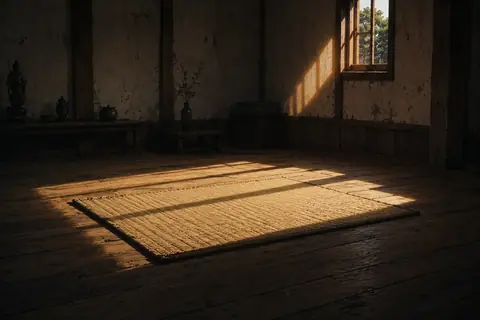
In XP Tracker, Practice an instrument is one of the optional quests you can add from the library of about 60 (tap + Add a quest). It runs on the app's quest timer. You set where you start and where you want to get to, and the quest builds up from there. It runs daily by default, and you can limit it to certain days of the week. The art below is the Bard version.



Finishing a session earns XP for your hero and damage on the current boss. Like every added quest it keeps its own streak, and skipping a day only costs the XP you didn't earn. Deep Focus is a core timer quest for focused work, and Daily Reading is a core quest for a few pages a day, useful for music theory books. For more ideas, see our list of real-life daily quests, or meet the Bard, the class about making things and the courage to be seen.
Questions people ask
How long should I practice each day?
Ten to twenty minutes a day is a solid start for most beginners. Short daily sessions tend to help more than one long session a week, because you come back to the same skill before you forget it.
Is it fine to practice only a few minutes on busy days?
Yes. Five minutes of scales or one tricky bar keeps the habit and your fingers going. Count it.
What should I practice first in a session?
Start with a short warm-up, then spend most of the time on the one thing you're working on, then finish with something you enjoy playing. Ending on a song you like makes it easier to start tomorrow.
How do I practice without bothering the neighbours?
Use a practice mute for brass or strings, headphones with a digital piano or electric guitar, or pick hours that suit the people around you. Many apartment buildings have quiet hours, so check yours.
My hands or wrists hurt when I play. What should I do?
Stop and rest. Pain usually means tension or a posture problem, and playing through it can make it worse. A teacher can check your posture, and if the pain keeps coming back, see a doctor or physiotherapist.
Related pages


Start your journey
Pick a class, do the day's quests, and watch your hero level up with you.
Start free on iPhone and Android.
Scan to install Point your phone camera at the code. iPhone opens the App Store, Android opens Google Play.